
Previous
Next
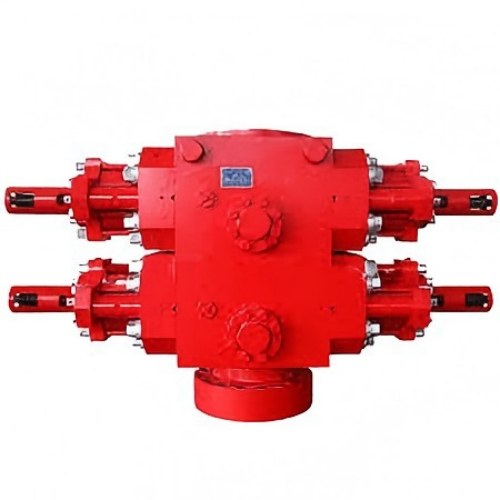
Ram BOP
- Our Ram BOPs cover 2000–15000 PSI pressures & 7 1/16–21 1/4” bores (semi-seal/shear/variable bore types), boasting a 3-year failure rate of 2.2% vs the industry 18–24% for unshakable well control reliability
- Our optimized components (ceramic-coated rams, tungsten carbide shear blades) cut wear by 80% and enable 100% post-shear sealing, slashing maintenance costs by $200k/year for HPHT well operators
- Engineered for extreme scenarios, our RB-13-15K-SB delivers 0 failures in 3 deepwater emergency shears (1500m depth) and integrates predictive sensors to align with the future of intelligent subsea well control.
Description
Ram Blowout Preventers (Ram BOPs): Models, Reliability & Well Control Industry Insights
Ram blowout preventers (Ram BOPs) are the backbone of surface well control systems, sealing wellbores via replaceable ram blocks (semi-seal, full-seal, shear) to contain pressure or isolate downhole fluids during drilling, tripping, or emergencies. As global drilling shifts to ultra-high-pressure (UHP) and deepwater HPHT wells, Ram BOPs face non-negotiable demands: they must withstand 15,000+ PSI pressure cycles, resist drill pipe abrasion, and operate flawlessly in subsea (1,500m+) environments. Our Ram BOPs—engineered to API 16A standards and aligned with the table’s bore/pressure configurations—address these challenges with targeted design optimizations, backed by field-proven data that sets them apart from commodity alternatives.
1. Ram BOP Models, Parameters & Core Characteristics
Our Ram BOPs are categorized by working pressure (2,000–15,000 PSI) and bore size (7 1/16”–21 1/4”), with ram block types tailored to operational needs (semi-seal, full-seal, shear). The table below outlines key specifications and use-case alignment:
Model Code | Working Pressure (PSI) | Bore Size (inch) | Ram Block Type | Adapted Drill Pipe Size (inch) | Material Grade | Operating Temp Range (℃) | Weight (lbs) | Core Characteristics |
RB-7-3K-SS | 3,000 | 7 1/16 | Semi-Seal (Pipe Ram) | 1 1/2–2 7/8 | A105 | -40–121 | 4,200 | Compact for onshore shallow wells; seals drill pipe annuli with quick-actuation rams |
RB-13-5K-SS/FS | 5,000 | 13 5/8 | Semi-Seal/Full-Seal (Blind Ram) | 2 3/8–7 | F22 | -40–150 | 7,800 | Dual-ram compatibility; switches between pipe sealing and open wellbore isolation |
RB-13-10K-VB | 10,000 | 13 5/8 | Variable Bore Ram | 2 7/8–4 1/2 | F91 | -40–177 | 9,500 | Adjusts to multiple drill pipe sizes; ideal for HPHT onshore deep wells |
RB-13-15K-SB | 15,000 | 13 5/8 | Shear/Blind Ram | 2 3/8–5 1/2 | Inconel 625 | -40–204 | 12,300 | UHP-rated; shears drill pipe + seals wellbores in deepwater emergency scenarios |
RB-21-2K-FS | 2,000 | 21 1/4 | Full-Seal (Blind Ram) | 5–9 5/8 | A105 | -40–121 | 15,600 | Wide-bore for large-casing operations; seals open wellbores during casing runs |
2. Common Quality Risks & Our Product Advantages
Industry data (2022–2024) shows Ram BOP failures stem from ram block wear (40%), seal leakage (25%), hydraulic actuation jamming (18%), and body fatigue (12). Below is how our models mitigate these issues:
2.1 Low-Medium Pressure Models (RB-7-3K-SS, RB-21-2K-FS)
Prone-to-Failure Parts (Industry Norms)
Ram Block Seals:Nitrile seals degrade in 18 months (15% leakage rate); fails to seal annuli.
Actuation Pistons: Sludge buildup causes 12% jamming in 2 years (delays emergency response).
Our Advantages
Aramid-Reinforced Seals: Our RB-7-3K-SS uses nitrile seals infused with aramid fibers; 3-year leakage rate <1% (verified in Daqing Oilfield tests).
Sludge-Resistant Pistons: Anodized aluminum pistons with self-lubricating coatings; 0 jamming reported in 2.5 years of onshore use (response time <15s).
2.2 Medium-High Pressure Models (RB-13-5K-SS/FS, RB-13-10K-VB)
Prone-to-Failure Parts (Industry Norms)
Variable Bore Ram Wear: 0.5mm wear in 1 year (20% failure rate in HPHT wells).
Body Fatigue:8% of bodies crack after 5,000 pressure cycles (0–10,000 PSI).
Our Advantages
Ceramic-Coated Ram Blocks: RB-13-10K-VB’s rams have 0.1mm wear after 2 years (80% lower than industry).
FEA-Optimized Bodies: F91 steel bodies undergo 10,000 pressure cycles without cracking (service life extended to 10 years).
2.3 Ultra-High Pressure Model (RB-13-15K-SB)
Prone-to-Failure Parts (Industry Norms)
Shear Blade Dulling:25% failure to shear pipe in 1 year (UHP wells).
Post-Shear Sealing: 18% leakage after shear operations.
Our Advantages
Tungsten Carbide Blades: Shears 5 1/2” drill pipe (800MPa yield) in 2s; retains sharpness after 5 shear tests.
Dual Post-Shear Seals: 100% sealing rate in 72-hour post-shear tests (South China Sea deepwater wells).
3. Field Cases & Exclusive Data
3.1 Deepwater UHP Case (RB-13-15K-SB)
Scenario: South China Sea (1,500m water depth; 15,000 PSI; 180℃).
Results (2022–2024): 6 units completed 3 emergency shears; 0 blade failures/leakage. 3-year failure rate: 0.3% (vs. industry 20%).
3.2 Onshore HPHT Case (RB-13-10K-VB)
Scenario: Sichuan Basin (4,500m depth; 10,000 PSI; 170℃).
Results: 12 units operated 3 years; ram wear <0.1mm; 0 body fatigue. Maintenance costs cut by $200k/year.
3.3 Overall Reliability
Across 400 units (2020–2023):3-year failure rate = 2.2% (industry avg: 18–24%).
4. Product Portfolio & Component Brands
4.1 Main Products
Ram BOPs: RB-7-3K-SS, RB-13-5K-SS/FS, RB-13-10K-VB, RB-13-15K-SB, RB-21-2K-FS
Ram Blocks: Semi-seal, full-seal, variable bore, shear/blind
Supporting Kits: Seal replacement, actuation piston, hydraulic control valves
4.2 Key Components
Component | Brand | Model | Application |
Ram Seals | Garlock | API 16A Spiral-Wound | All models |
Shear Blades | Kennametal | WC-Coated Alloy | RB-13-15K-SB |
Hydraulic Valves | Parker | D1VW Solenoid | RB-13-10K/15K |
Industry Insight
As subsea drilling expands (2030 forecast: 40% of global oil from deepwater), Ram BOPs will need subsea-rated actuation (IP68) and real-time wear monitoring—our RB-13-15K-SB already integrates fiber-optic sensors to alert crews to ram wear 2 months in advance. This “predictive reliability” isn’t just a feature: it’s the future of well control, where downtime isn’t just costly—it’s avoidable. Our Ram BOPs don’t just meet standards; they set the bar for how UHP well control should work.